


Stories have the power to bridge divides, spark reflection, and remind us of our shared humanity—and few films embody that spirit quite like Somewhere in Montana. Set against the sweeping landscapes of rural Montana, the film centers on an unlikely connection between a struggling rancher fighting to preserve his family’s land and a passionate filmmaker determined to bring an important story to life. What begins as a clash of opposing worlds slowly unfolds into a deeply human exploration of empathy, legacy, and the courage it takes to truly listen to

Pop Culturalist is excited to be partnering with 20th Century Studios to give away tickets to an NYC screening of Send Help. You and a guest will see the film before it’s released on January 30th. All the details are below. Good luck! About the Film Two colleagues become stranded on a deserted island, the only survivors of a plane crash. On the island, they must overcome past grievances and work together to survive, but ultimately, it’s an unsettling, darkly humorous battle of wills and wits to make it out
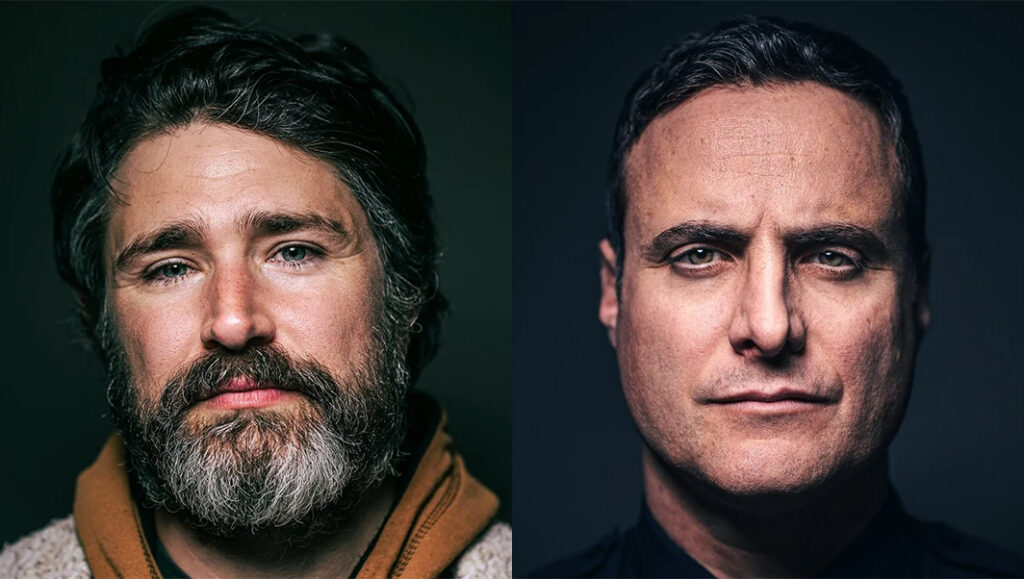
With Sheepdog, filmmaker Steven Grayhm tells a story that lives beyond the battlefield, exploring life after service for veterans and their loved ones, and the unseen weight they carry together. Sparked by a chance encounter that launched a decade-long journey, the film looks at healing, empathy, and the idea of post-traumatic growth—showing not only the impact of war, but the possibility of moving forward. Anchoring the film’s emotional core are performances from Matt Dallas and Dominic Fumusa, whose characters serve as a reminder of the power of relationships and the
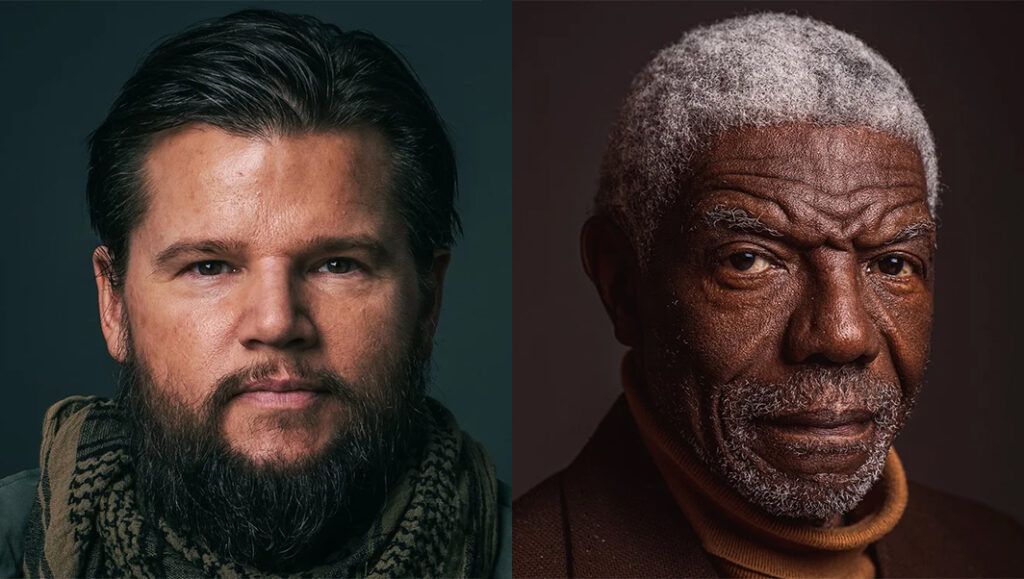
Independent films often carry an undeniable intimacy, but few feel as purpose-driven—and as deeply lived-in—as Sheepdog. More than a decade in the making, Steven Grayhm’s feature is the kind of storytelling that transcends entertainment, existing instead as an act of reflection, truth-telling, and healing. Rooted in real experiences and shaped over years of listening, learning, and evolving, Sheepdog holds space for the emotional weight so many carry in silence—reminding us that art can do more than move us; it can help us make sense of pain, and begin to pull