

SDCC 2026: Why ‘Drifter’ Could Be the Next Indie Breakout
Independent filmmaking has always been fueled by the people who believe in it long before the rest of the world catches on. Few films embody that spirit more than Drifter, a passion project made possible by the very community it celebrates.
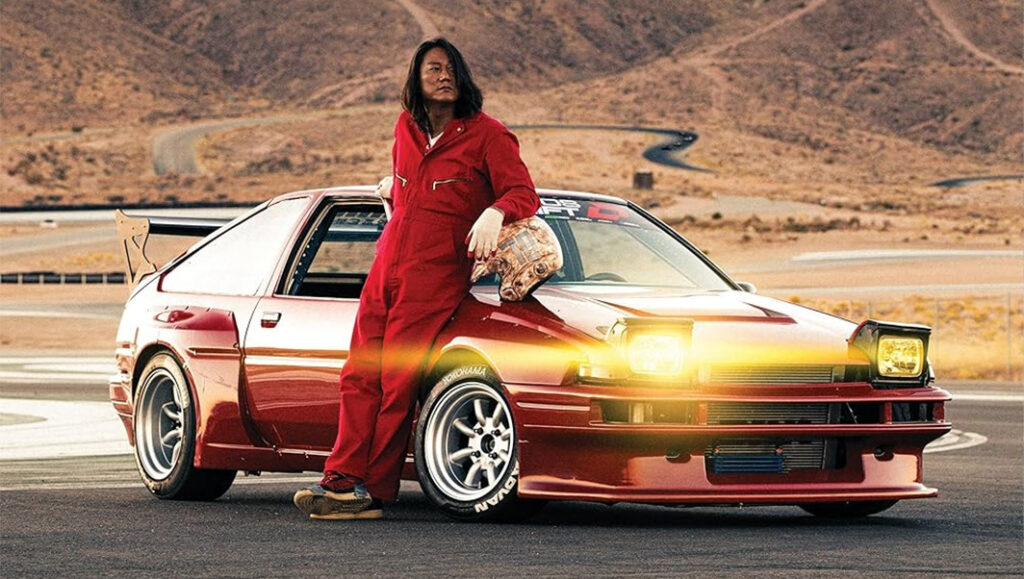
Drifter follows Tree, a man who lives in the shadows until he discovers purpose, belonging, and an unexpected family through the world of drift racing. But the conversation inside Ballroom 20 revealed something far more personal. As the cast and creatives reflected on bringing Drifter to life, nearly every story circled back to the same idea: the people around us shape who we become.
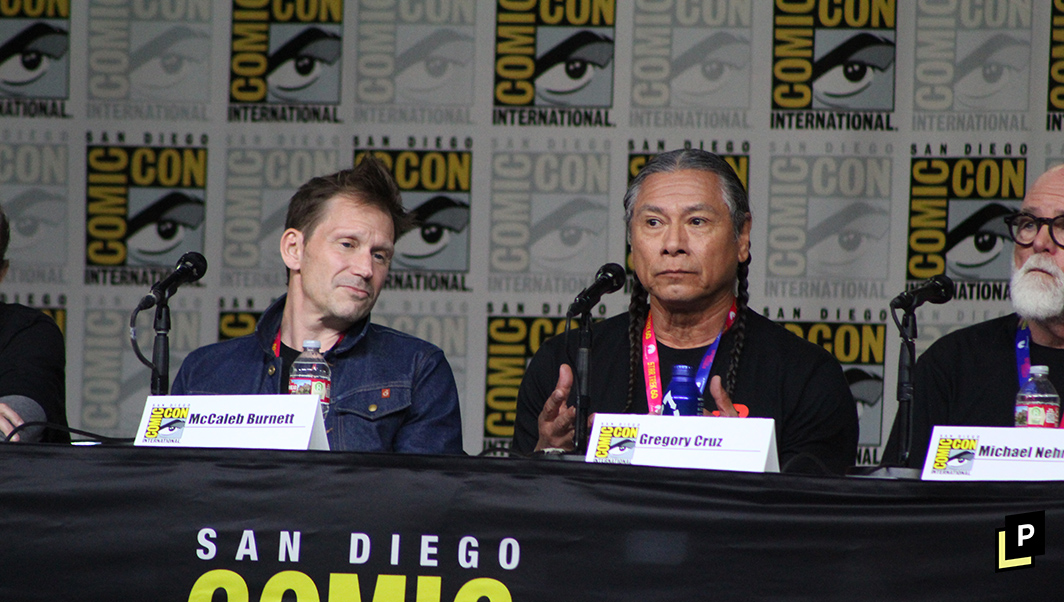
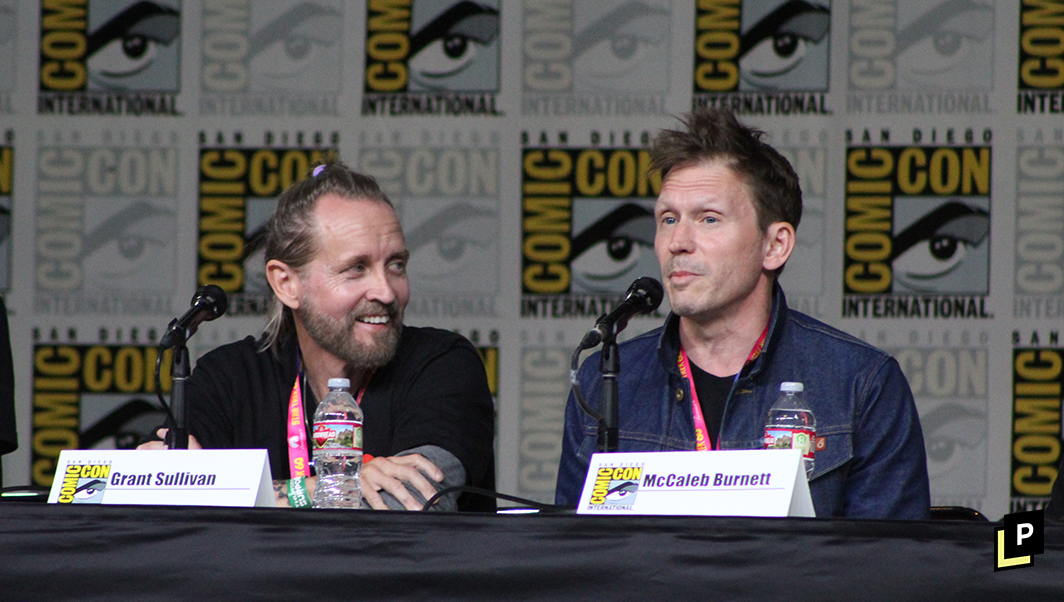
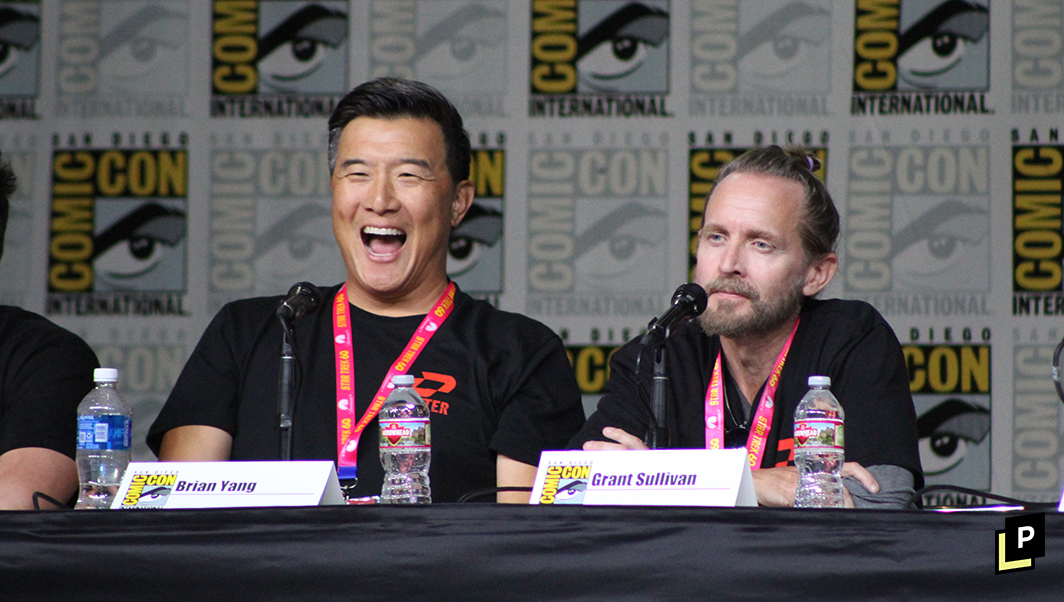
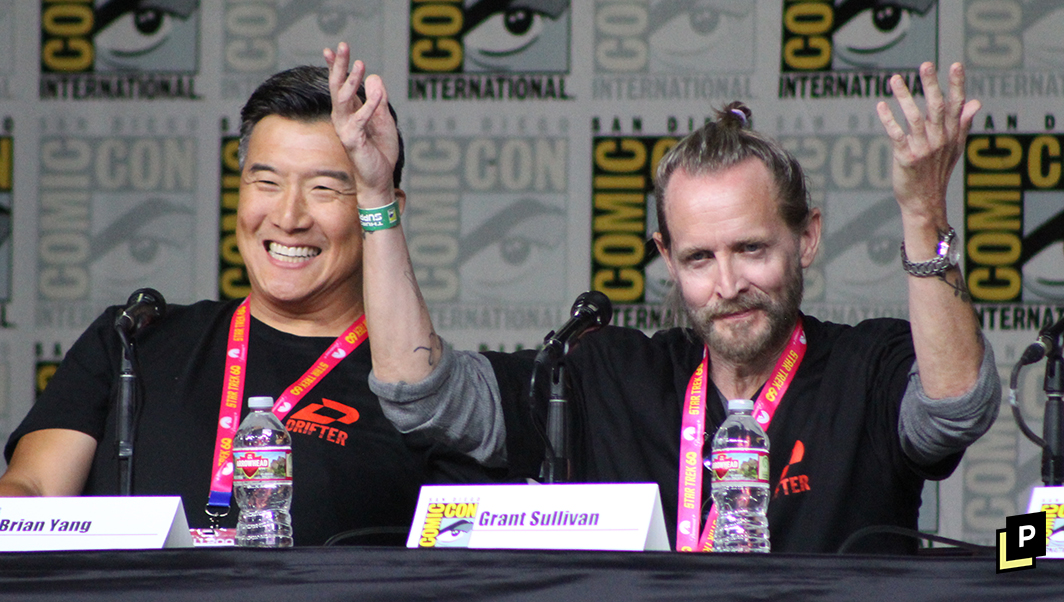
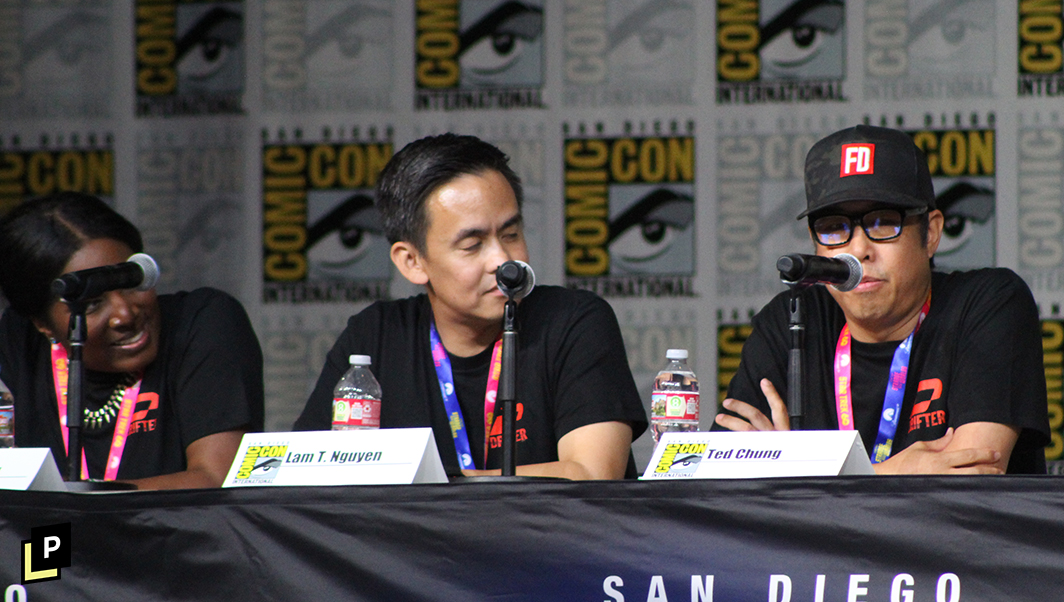
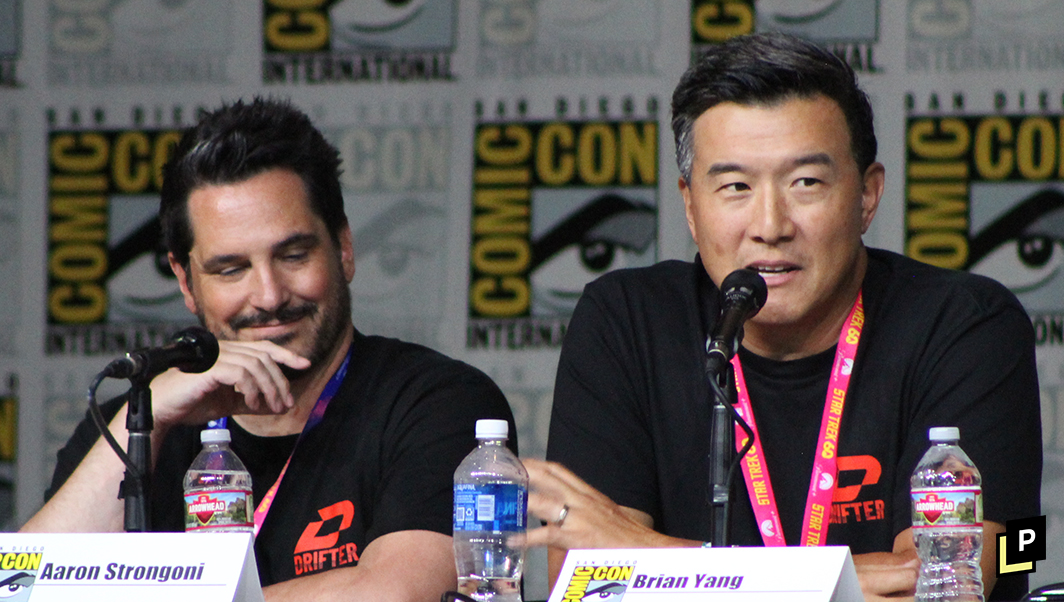
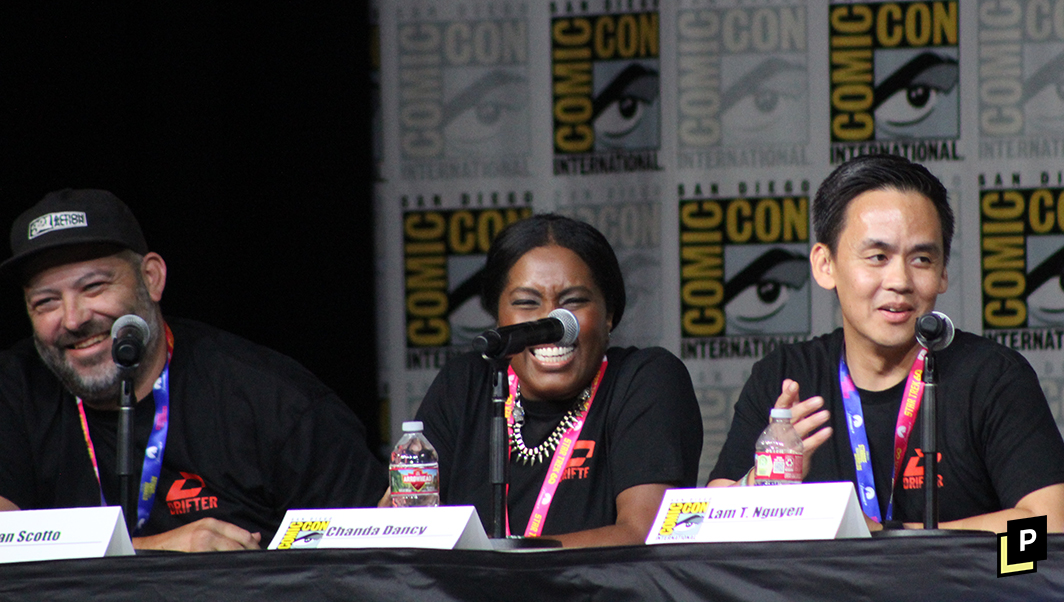
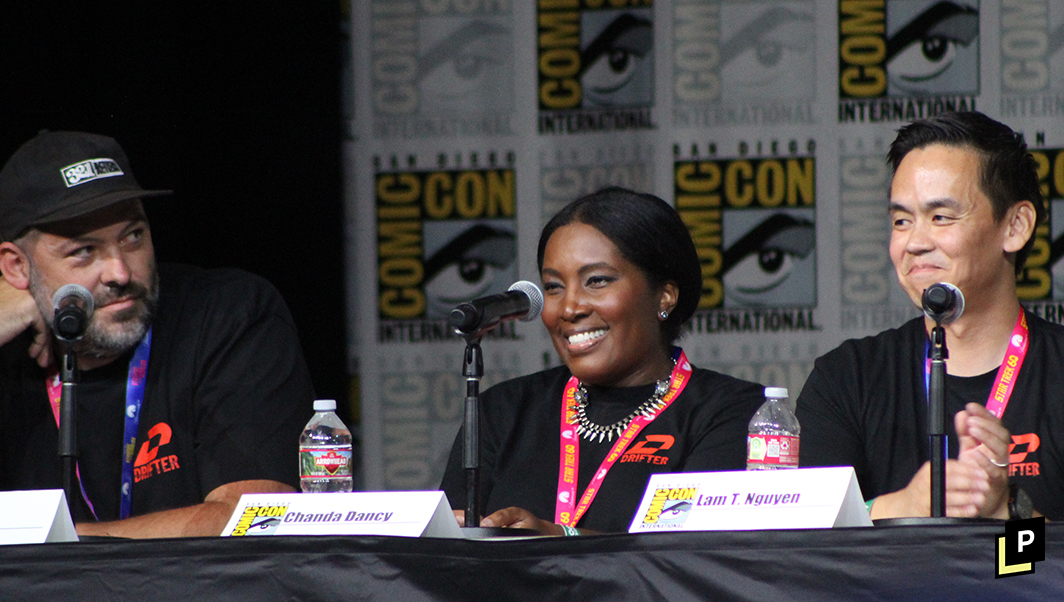
That idea echoed throughout the panel as filmmaker Sung Kang was joined by cast members Tamara Braun, Michael Nehring, Gregory Cruz, McCaleb Burnett, and Grant Sullivan, alongside producer Brian Yang, writers Aaron Strongoni and Ted Chung, editor and co-producer Lam Nguyen, composer Chanda Dancy, and second unit director Brian Scotto. While each panelist reflected on a different part of the journey, a shared sense of gratitude and connection tied every story together.
Brian reflected on dropping out of college before finding purpose and lifelong friendships through the car community, where he would eventually meet Sung. Ted shared how Lola, the production’s beloved 1986 Toyota AE86 Corolla GTS, became its own symbol of generosity, with people continually stepping in to repair the aging car whenever another obstacle threatened production. Aaron then reflected on the loss of a close friend in high school and how that experience forever changed the way he viewed connection. Together, their stories revealed that Drifter wasn’t simply inspired by community. It was built by it.
For Sung, those relationships began long before Drifter ever existed. Looking back on his childhood, he described the garage as a sanctuary during some of the darkest moments of his life, where the car community gave him a sense of belonging. Years later, that same support helped him realize his dream of becoming a storyteller. Calling Drifter a love letter to the people who shaped him, Sung reflected on the countless individuals who donated their time, resources, locations, and even their cars because they believed in the project. As he put it, “You can buy someone’s time, but you can’t pay for someone’s heart.”
That same sense of trust extended throughout the production. Tamara reflected on reconnecting with Sung after the two first collaborated together during an acting class in Los Angeles, a full-circle moment neither could have anticipated years earlier. Michael compared the experience to working within a theater ensemble, where every performance depends on complete trust in those around you. McCaleb emphasized that surrounding the project with people who genuinely believed in its vision mattered just as much as assembling the right cast, while Grant described the experience as feeling less like another job and more like working alongside family.
Brian Yang perhaps summed up the afternoon best by comparing a production crew to a pit crew. Every person has a responsibility. Every department depends on another. If one part falls short, everyone feels it. More than a clever analogy, it captured the collaborative spirit that defined both the conversation and the production itself.
That philosophy carries onto the screen. During several exclusive clips shown to the Ballroom 20 audience, one sequence centered entirely on Lola, and without a single line of dialogue, she emerged as one of the production’s most emotionally expressive characters.
Rather than treating drifting as spectacle, Sung approaches every movement with remarkable restraint and intention. Every drift, transfer of weight, and screech of the tires becomes part of the emotional language of the scene. Lam Nguyen’s editing establishes a graceful rhythm, while Chanda Dancy’s score deepens every emotional beat without overpowering it. Combined with striking cinematography and immersive sound design, Lola evolves into an extension of Tree’s inner world, communicating through movement what dialogue never needs to say.
By the end of the panel, Drifter felt like far more than an independent film about drifting. It became clear that the story audiences will see on screen is inseparable from the friendships, trust, and generosity that brought it to life. Few productions wear their heart as openly as this one.
Take a look at some of our favorite moments from the Drifter panel below.
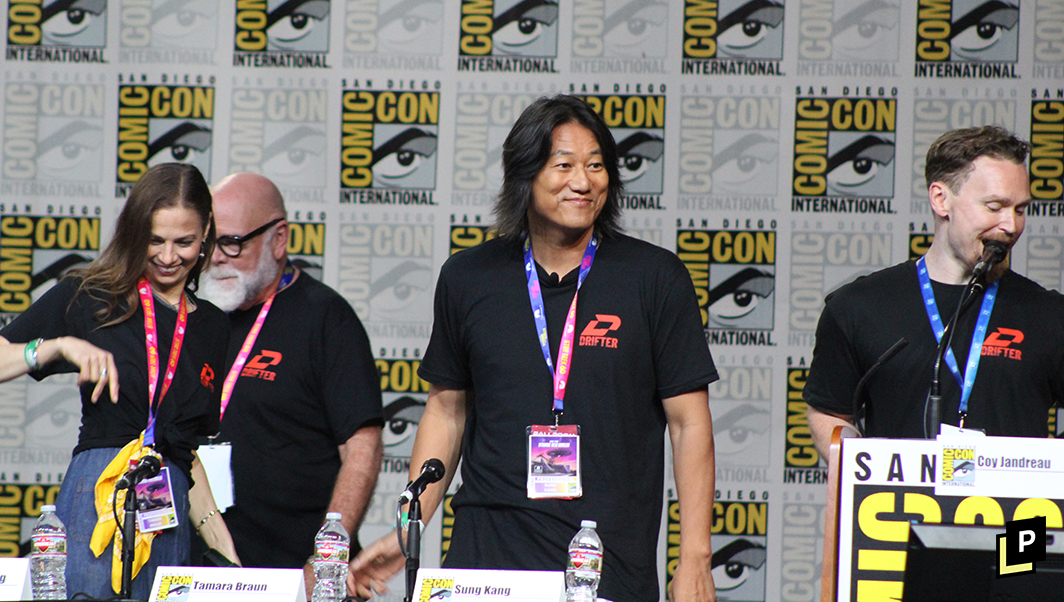
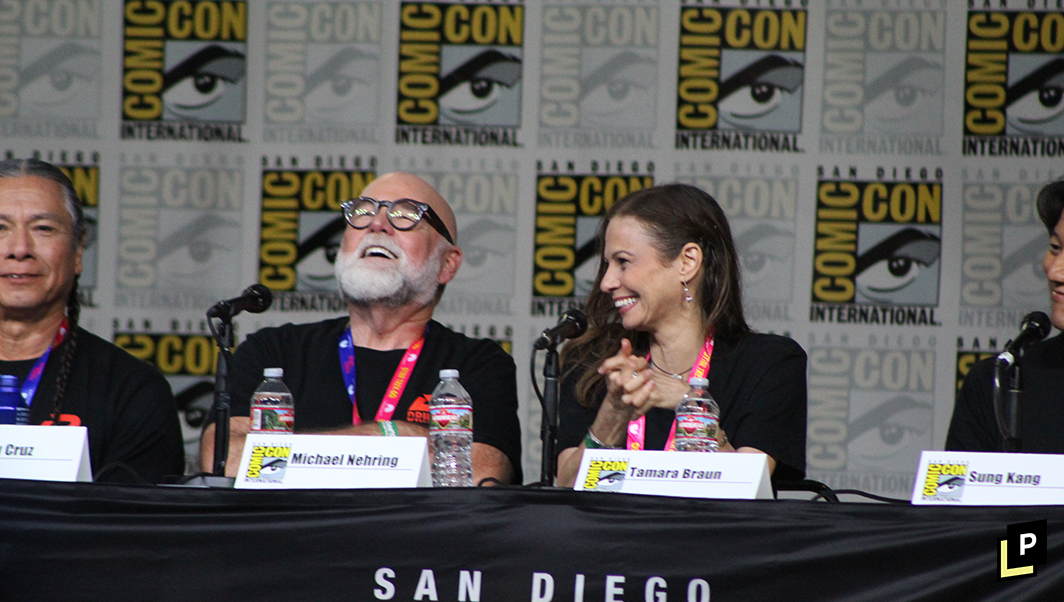
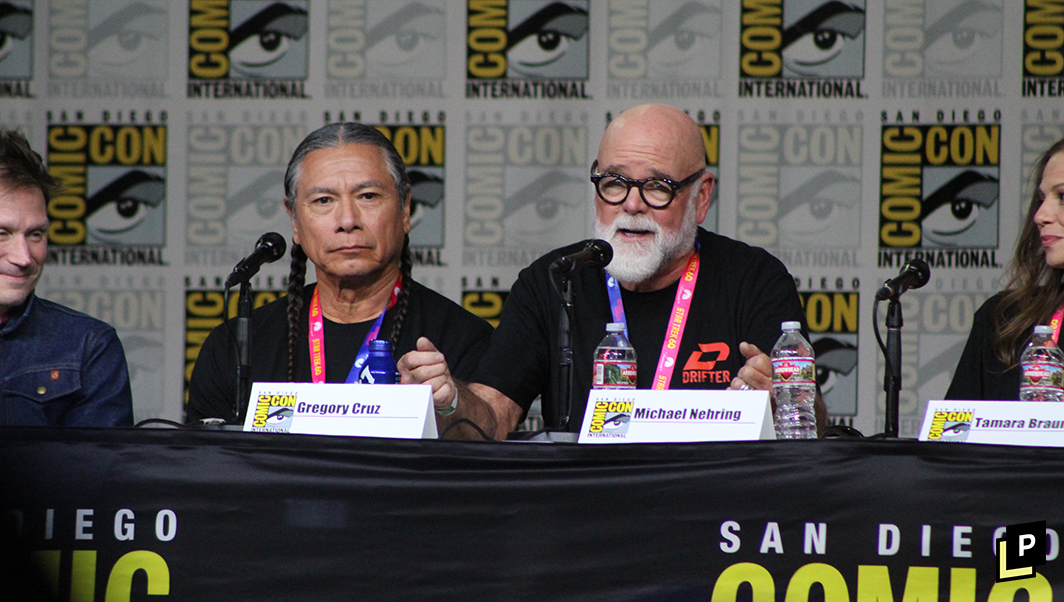
The journey for Drifter is only just beginning. Follow the film on social media to stay connected with the latest updates as it makes its way to audiences.
Feature Photo: Larry Chen // Comic-Con Photos: Kevin Jan/Pop-Culturalist.com

Discussion about this post