

Exclusive Interview: Jack Walton on His Most Honest Chapter Yet—and the Growth That Made It Possible
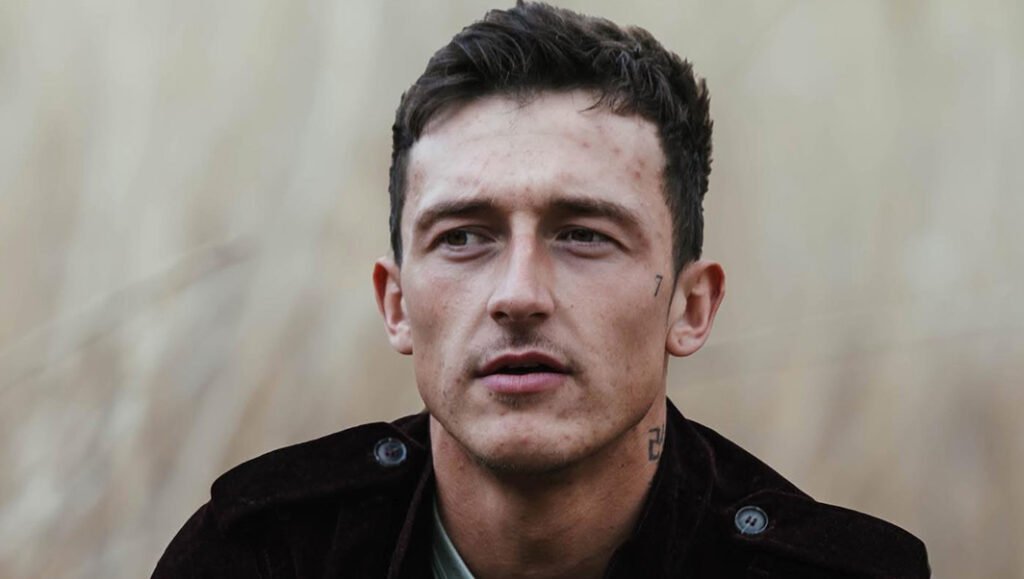
Jack Walton isn’t holding anything back. His music continues to arrive unfiltered, shaped by lived experience and carried by a calm assurance in the truths he’s ready to share. These aren’t performances; they’re pages from a life still unfolding. As he opens up more than ever before, what he’s offering isn’t just honesty—it’s an invitation into the emotions we all carry but rarely speak aloud.
He’s entering this season of life with clarity and conviction, channeling the highs, heartbreaks, and healing into songs that feel deeply felt and profoundly moving. Whether it’s a stripped-back track or a sweeping anthem, each piece captures where he’s been and where he’s going—rendering passing chapters with a precision that feels intimately familiar. And while his sound may evolve, the throughline is his devotion to truth—especially the parts that are hardest to name.
There’s a quiet power in the way Jack continues to evolve—never turning away from the past, but allowing it to inform what comes next. For him, songwriting isn’t just expression—it’s how he navigates the world. And in choosing to reveal so much of himself, he gives others the courage to do the same.
Pop Culturalist was lucky enough to speak with Jack Walton about the emotional honesty fueling his recent releases, the growth that comes with creative freedom, and how letting go of expectations has made space for his most connected work yet.
PC: You’ve released more music in 2025 than ever, and there’s a versatility in these singles that keeps listeners on their toes while still feeling true to who you are. How has being an independent artist given you the freedom to experiment—not just with your sound, but with the stories you want to tell?
Jack: Being independent means I’m not chasing a deadline or someone else’s vision of who I should be. I get to follow the songs wherever they want to go. Some come out raw and acoustic, others cinematic and huge—but they’re all me. That freedom lets me write about the real stuff: sobriety, love, heartbreak, the everyday moments. I’m not trying to tick a box; I’m trying to tell the truth. And if that truth shifts genres, I’m okay with that—that’s just life moving.
PC: Songs like “Long Black Summer” and “Chaos” live in such different sonic worlds—one cinematic, the other haunting and intimate—yet both sit in the perfect pocket for your voice. How have your live performances helped you discover the different ways your voice can live within those styles and genres?
Jack: Onstage, there’s nowhere to hide. You can’t lean on production or perfect takes—your voice has to carry the weight. When I play “Long Black Summer,” I lean into the drama and the chest voice, almost like I’m scoring a film. When I sing “Chaos,” I pull the crowd in close, like I’m talking directly to them. Playing live taught me that my voice isn’t just about the notes—it’s a tool for connection. Every room reveals a different version of me, and I don’t fight that.
PC: You’ve said before that if someone really wants to know who you are as an artist, they should come to a live show. How do you make sure that same energy, connection, and authenticity find their way into your studio recordings? And for fans who haven’t experienced it yet, how would you describe a live Jack Walton show?
Jack: In the studio, I track vocals like I’m singing to someone sitting right in front of me. I don’t want the performance to sound perfect—I want it to sound human. We leave in the breath, the crack, the moment I nearly lose it, because that’s the real bit. A live Jack Walton show feels like a conversation. I’ll take you from something loud and cathartic into a song you can barely breathe through. I’m not there to impress you—I’m there to feel something with you.
PC: You’ve got a new single out now, and I loved getting a sneak peek into your creative process when you first teased the concept a few weeks back. Now that it’s out in the world, firstly, what inspired this song? For you, what does that process look like when it comes to deciding what gets released and when?
Jack: This new single came from a simple moment—sitting in my kitchen at 2AM, trying to make sense of my head. I was tired of pretending I had everything sorted. I sang the first line into my phone, and it felt like I’d cracked something open. I don’t chase trends or schedules. A song gets released when it stops feeling like mine alone. When I’ve carried it long enough that it needs a bigger room to live in—that’s when it goes out into the world.
PC: What’s so interesting about what you all do as artists is that each single—and each body of work—becomes a time capsule of who you are in that moment. And you’ve teased that your best work is still ahead. What does this next chapter in your career represent for you, and what is it inspiring in the work you want to create next?
Jack: The next chapter is about courage. I’m not writing to survive anymore—I’m writing to grow. I’m digging deeper into things I used to avoid because they scared me: forgiveness, accountability, hope. I want the music to stretch, to feel bigger than a single moment. If I’m going to claim my best work is ahead of me, I have to show up differently. And I am.
PC: There’s so much vulnerability in what you all do as artists, and on top of that, you’ve been incredibly open this year about your journey with sobriety. Why was it important for you to use your platform to share that part of your life?
Jack: I’m open about sobriety because silence nearly killed me. I’m not sharing it to preach—I’m sharing it so someone out there might think, “Maybe I can start again.” Sobriety gave me my life back: my creativity, my relationships, my clarity. It’s not easy or perfect, but it’s real. And if I’m going to sing about truth, I can’t hide the parts that are messy.
PC: You’ve shared that your daughter recently turned four. In what ways has becoming a father influenced your artistry? And if she ever wanted to follow in your footsteps, what advice would you give her?
Jack: Being a dad grounds me. I’m not chasing fame or validation anymore—I’m chasing moments that matter. My daughter reminds me what love looks like when it’s simple. When I write, I think about whether she’d be proud of the person behind the lyrics, not just the song. And if she ever wanted to do music, I’d tell her not to let the industry decide who she should be. Make art that feeds you, not just everyone else. Protect your heart—it’s the only instrument you can’t replace.
PC: I have a feeling 2026 is going to be a huge year for you. Can you give us a glimpse of what’s in the works?
Jack: 2026 is about building. New music, a bigger live show, and collaborations with artists who challenge me in the best ways. I’m stepping into rooms I used to think I didn’t belong in and showing up as myself. No masks, no fear. Just the work—and I’m hungry for it.
To keep up with Jack, follow him on Instagram, Spotify, and Apple Music. Stream “Chaos” today.

Discussion about this post