


Reilly Smedley has embraced the title of “Professional Second Boot,” but her placements hardly tell the full story. Across both Big Brother and The Challenge, she has emerged as a fearless competitor with sharp strategic instincts and a refusal to go quietly. Her latest run may have ended earlier than she envisioned, but Reilly left little doubt that she has all the makings of a future Challenge champion. The Challenge 42: Cutthroat revives the beloved format, dividing twenty-four competitors into three teams as they vie for a share of the
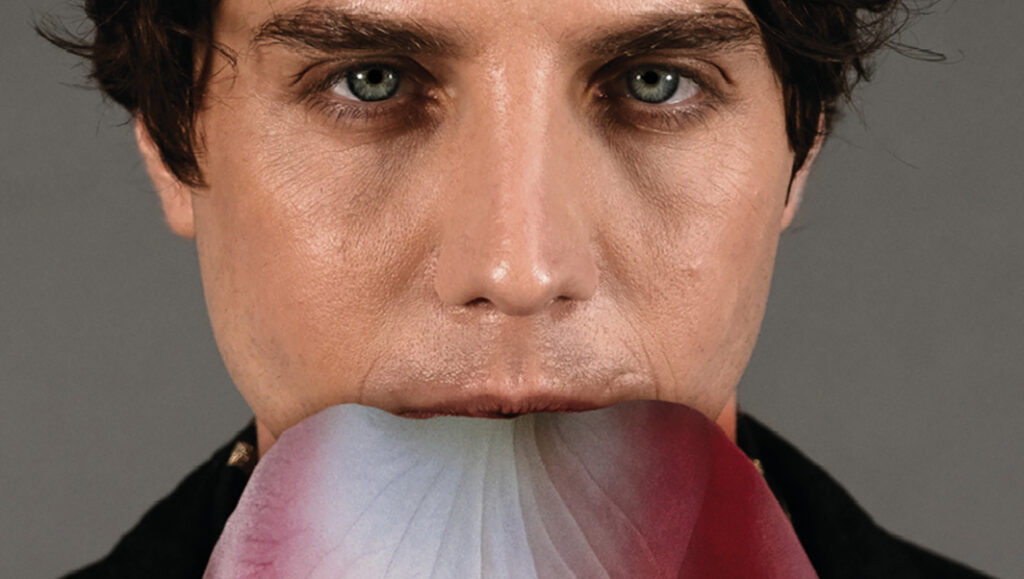
Versatility has become one of the defining qualities of Lukas Gage’s career. No two projects feel the same, and with each role, he continues to demonstrate an extraordinary ability to disappear into characters who are complicated, unpredictable, and entirely distinct from one another. In Karim Aïnouz’s Rosebush Pruning, Lukas takes that fearlessness even further, delivering what may be his most provocative and daring performance to date. Written by Efthimis Filippou and inspired by Marco Bellocchio’s Fists in the Pocket, Rosebush Pruning centers on four American siblings living in isolation at
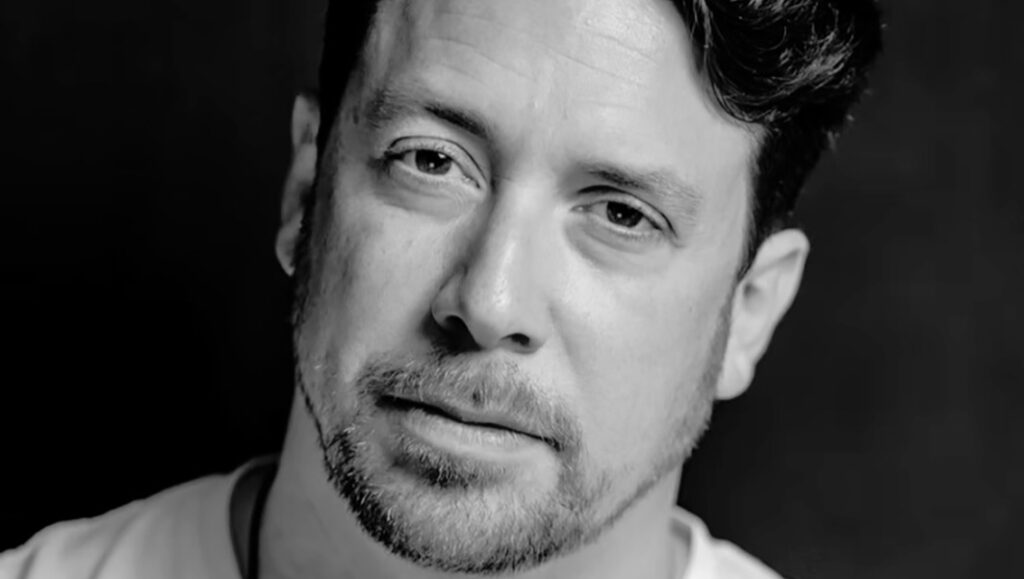
Tom Morton’s career has never been confined to a single medium, language, or corner of the industry. The French-British actor, writer, and director has moved seamlessly between international film, television, theater, and voice work, approaching each project with an instinct for character and an appreciation for the larger story being told. Following his appearance in Coralie Fargeat’s The Substance, Morton now steps into Harlan Coben’s ever-expanding universe with Netflix’s I Will Find You. Adapted for television by showrunner Robert Hull, I Will Find You follows David Burroughs (Sam Worthington), a

San Diego Comic-Con may be known for its packed convention floor, major studio presentations, and nonstop schedule, but some of its most memorable experiences take place away from the crowds. Now in its eighth year, Adam McArthur’s annual Super Awesome Boba Meetup has become one of the weekend’s most consistent and refreshing traditions, giving fans a welcome opportunity to recharge, enjoy some boba, and meet several of their favorite stars in a relaxed setting. Hosted at SD Boba Tea on Saturday, July 25, the 2026 gathering brought McArthur together with