

Exclusive Interview: Matt Dallas and Dominic Fumusa on Trust, Community, and the Stories Behind ‘Sheepdog’
With Sheepdog, filmmaker Steven Grayhm tells a story that lives beyond the battlefield, exploring life after service for veterans and their loved ones, and the unseen weight they carry together. Sparked by a chance encounter that launched a decade-long journey, the film looks at healing, empathy, and the idea of post-traumatic growth—showing not only the impact of war, but the possibility of moving forward.
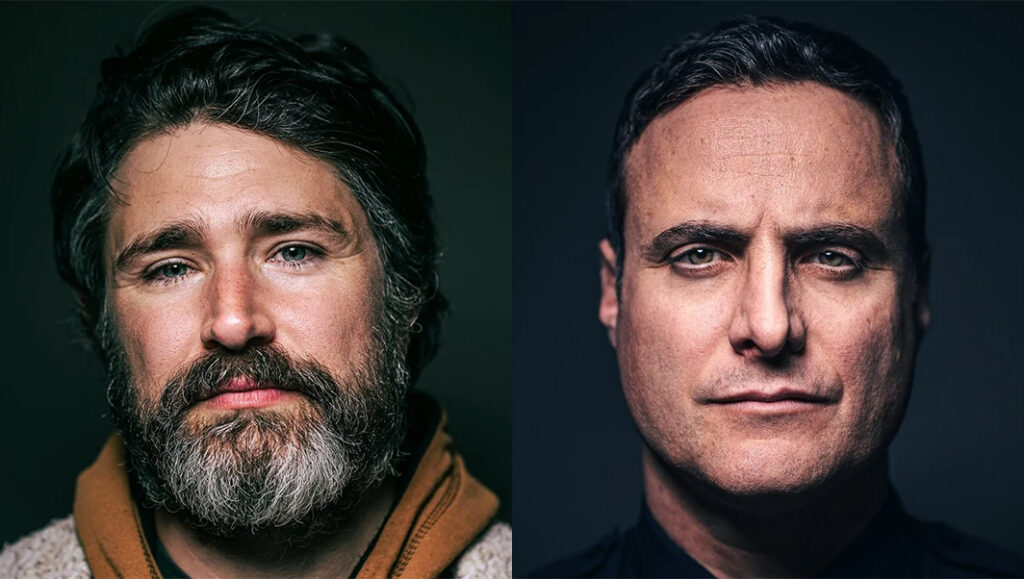
Anchoring the film’s emotional core are performances from Matt Dallas and Dominic Fumusa, whose characters serve as a reminder of the power of relationships and the strength found in community.
Pop Culturalist spoke with Matt Dallas and Dominic Fumusa about the personal connections that informed their performances, the collaborative process of working alongside writer-director Steven Grayhm, and why Sheepdog stands apart in its portrayal of veterans and their loved ones navigating life after service.
PC: Matt, this is such a deeply personal story for Steven, born out of a chance encounter that set this film in motion. What were those early conversations like between the two of you as you embarked on this road trip to uncover the truth? How did that research shape your own approach to the role?
Matt: When Steven first came to me with this project, we were actually working on a small Western together. It was an idea he had been journaling about for some time. He said, “I had this experience with a tow truck driver who was talking about the demons he’s been battling. I just want to get to the bottom of it. Are there more men and women out there like this?”
When he shared it with me, I was immediately excited to be part of a project where we could truly immerse ourselves in the community and explore the realities facing combat veterans. I came into it with very little firsthand knowledge, since I don’t come from a big military family, so it was incredibly eye-opening. It also became deeply personal much faster than I expected.
PC: Dominic, your character serves as such a powerful reminder of the importance of mentorship. Who have been the people in your own life who have shown up for you in a similar way? Did you reflect on those relationships as you brought this character to life? And as someone who is no stranger to honoring our veterans, what was it about this story that felt different to you?
Dominic: Wow. I think hopefully we all have people like that in our lives—teachers, coaches, and mentors who show up for us along the way. I had them in high school. I had a drama teacher who was a big influence on me, and I played a lot of sports, so I had coaches like Coach O who were incredibly important in my development, supporting and encouraging me. Did I draw on them? Sure, of course. I didn’t model the character after one specific coach or teacher, but I know the power of those relationships.
Steven wrote it so beautifully on the page. I always say that research as an actor isn’t at the forefront of what you’re doing in the moment if the character and relationships are already so clear—and that’s exactly how I felt here. The dynamics were so well defined that I didn’t feel the need to add much or enhance anything. Of course, there are personal things you keep to yourself, but yes, to answer your question.
I’ve been fortunate to do several films about the military and to support veterans by helping share their stories. This was another great example of that, but what made it different is that most of the projects I’ve done have been combat-focused. This film looks at life after combat—what it’s like to come home and live with what you’ve experienced overseas. I really appreciated that, because it’s just as important. We see the heroism in so many films, but there’s also the reality of returning home. You think you leave that world behind, but of course you don’t. For many of those soldiers—those men and women—the war stays with them for a long time. That was the biggest difference in this script and why I was thrilled to be part of it.
PC: Matt, there’s such a beautiful moment in the film that highlights the brotherhood formed between Calvin and Darryl, and those who served—the way they show up for one another and create a shared sense of community. For you, who’s someone you turn to for that sense of safety, and did you channel that into the dynamic we see on screen? And given your long-standing relationship with Steven, were there new discoveries you made about your friendship during this filming process?
Matt: Steven and I first started working together on this project back in 2011, so it’s been a very long road for us. Over the years, we became incredibly close—he’s one of my closest friends. I was there when he met his future wife, and I actually ended up marrying them.
There was this built-in deep friendship and bond between Steven and me, especially by the time we finally got to camera ten years later. It goes back to what Dominic was saying about research and everything you bring to a role, but so much of it is already there on the page.
There was actually a moment when Steven and I were getting ready to shoot—after so many false starts where we thought the project was finally going to happen. When we originally set out on this journey, the characters were in their late twenties or early thirties. As we aged, the characters aged too. I had this realization of, who is Darryl Sparks today? I had carried this idea of who he was for so many years, but I’m not that age anymore, and neither is he. What does that evolution look like?
Once we went to camera, it was really about trusting what was on the page and trusting that all the stories that had been shared with us over the years were living inside of us. Showing up and playing that dynamic with Steven felt so natural because we already had that brotherhood and connection.
It was about trusting the words, trusting the circumstances, and being present with each other in those moments.
PC: Dominic, going back to what you were saying earlier, Coach O is someone who knows how to show up with empathy—when to push, and when to simply be there. Given that Steven both wrote and directed this project, and is also your scene partner, what did that intersection look like in bringing your interpretation of this character to life while collaborating with him to build that dynamic? It feels so palpable and lived-in on screen.
Dominic: I felt an instant connection with Steven when the part was offered to me. We jumped on a Zoom and were on it for probably two hours—that was the first time we met. Then, when we went to shoot in Western Massachusetts, my daughter was actually going to college in Amherst at the time. I was up there visiting her and said, “If you’re around,” because Steven and his wife were living in Western Mass then, “let’s grab coffee.”
We sat in a coffee shop in Amherst for a couple of hours, and he felt like a little brother right away. We hit it off immediately.
Then he did something really smart—we took the time to rehearse and go over the script. It was just the two of us in a room, and we improvised. All of that preparation and those meetings really pay off, because you feel comfortable with a person and you build a connection that transfers to the screen. When you spend time with someone, get along with them, and respect their vision and artistry, everything else falls into place.
Make sure to follow Matt (X/Instagram) and Dominic (Instagram). Sheepdog is in select theaters now.

Discussion about this post